PMHNP Test Anxiety: What Actually Helped Me
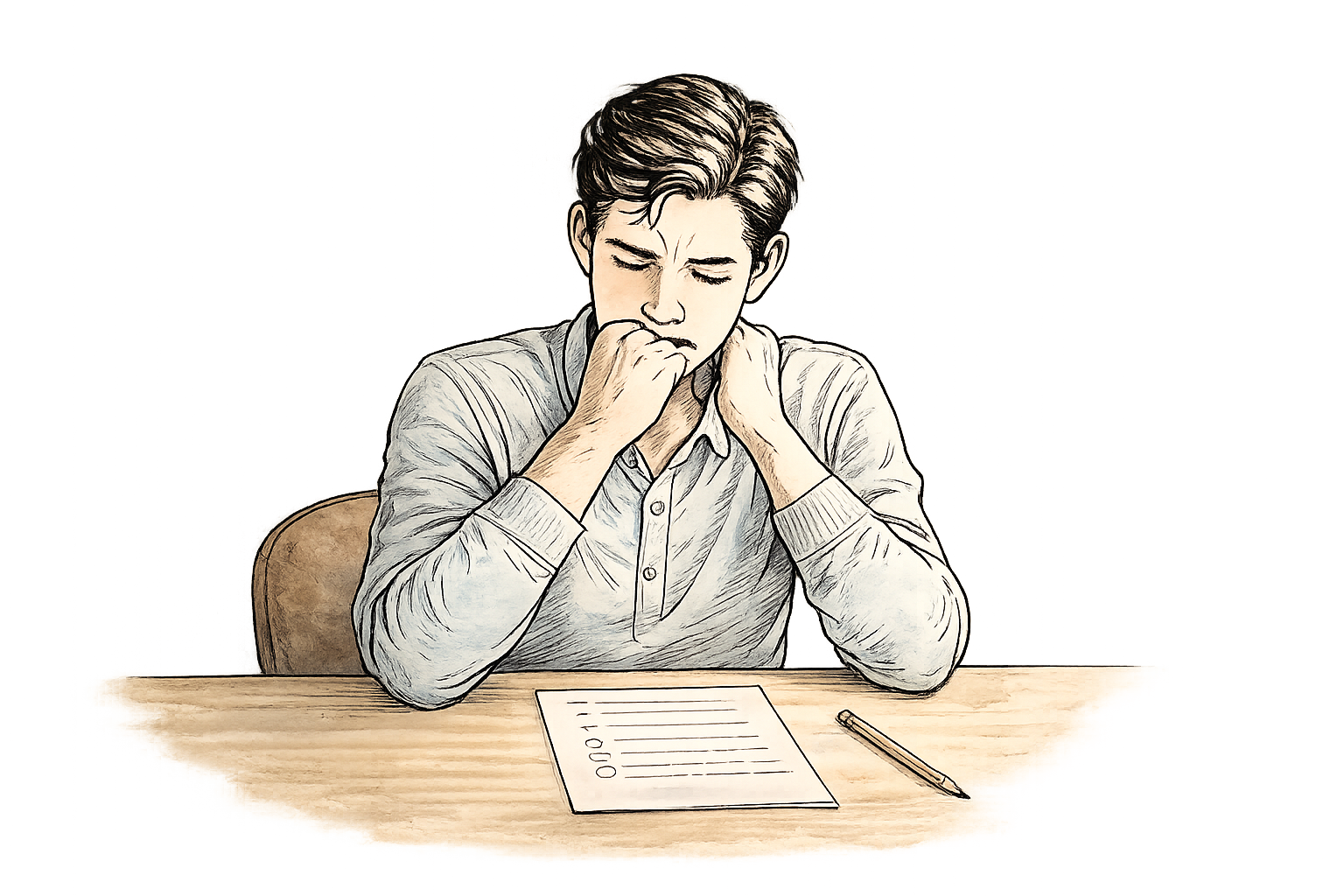
Most people do not walk into the PMHNP exam feeling completely prepared. There is simply too much material. At some point, studying stops being about learning new information and starts being about trusting the foundation you have already built.
You are not expected to know everything. You are expected to think safely and reasonably as an entry-level psychiatric provider. That is a very different goal, and keeping it in mind changed how I approached exam day entirely.
You Are Not Alone
Almost everyone sitting for this exam is nervous to some degree. Test anxiety is real, it is common, and it does not mean you are not ready. Here are the things that genuinely helped me.
Visit the Testing Center the Day Before
This was one of the best things I did. I did not want to burn mental energy on exam day figuring out directions, parking, or where the entrance was. Seeing everything beforehand gave me a real sense of relief. I could visualize myself walking in calmly the next morning, and it removed a layer of stress that had nothing to do with the actual content.
If your testing center is within a reasonable distance, it is worth the trip.
Use Grounding Techniques During the Exam
Simple strategies can make a meaningful difference when anxiety starts to build mid-exam. Slowing your breathing, unclenching your jaw, relaxing your shoulders, or taking a few seconds to reset between questions are all small resets that add up over a 3.5 hour test. You do not need to white-knuckle your way through it.

Consider Talking to a Provider if Your Anxiety is Severe
This is the option I wish more people knew about before exam day.
If test anxiety has meaningfully affected your performance in the past, it may be worth a conversation with a psychiatric provider before you sit for boards. Some people benefit from beta blockers like propranolol, which work by blocking beta-1 adrenergic receptors and blunting the peripheral physical symptoms of anxiety: the racing heart, the tremor, the sense of physical panic that can derail your thinking even when you know the material.
I have used propranolol before high stakes exams and interviews and it made a real difference. There is something disorienting about sitting down to perform and feeling your body spiral before your brain even gets a chance to engage. Reading a question, getting to the end, and realizing you have no idea what you just read. Reading it again. Then feeling your heart rate climb because of the time you just lost. Propranolol quiets all of that and keeps your physiology from working against you.
Medication is not appropriate for everyone, but if anxiety has cost you on high-stakes exams before, it is worth a conversation before exam day rather than after.
Trust What You Have Built
You will probably never feel completely ready, and that is okay. The goal is not to know everything. It is to think carefully, apply what you know, and trust that the work you have put in is enough.
Walk in. Breathe. You have got this.
Ready to tackle the logistics? Here is exactly what to expect when you walk through the Prometric doors.
